
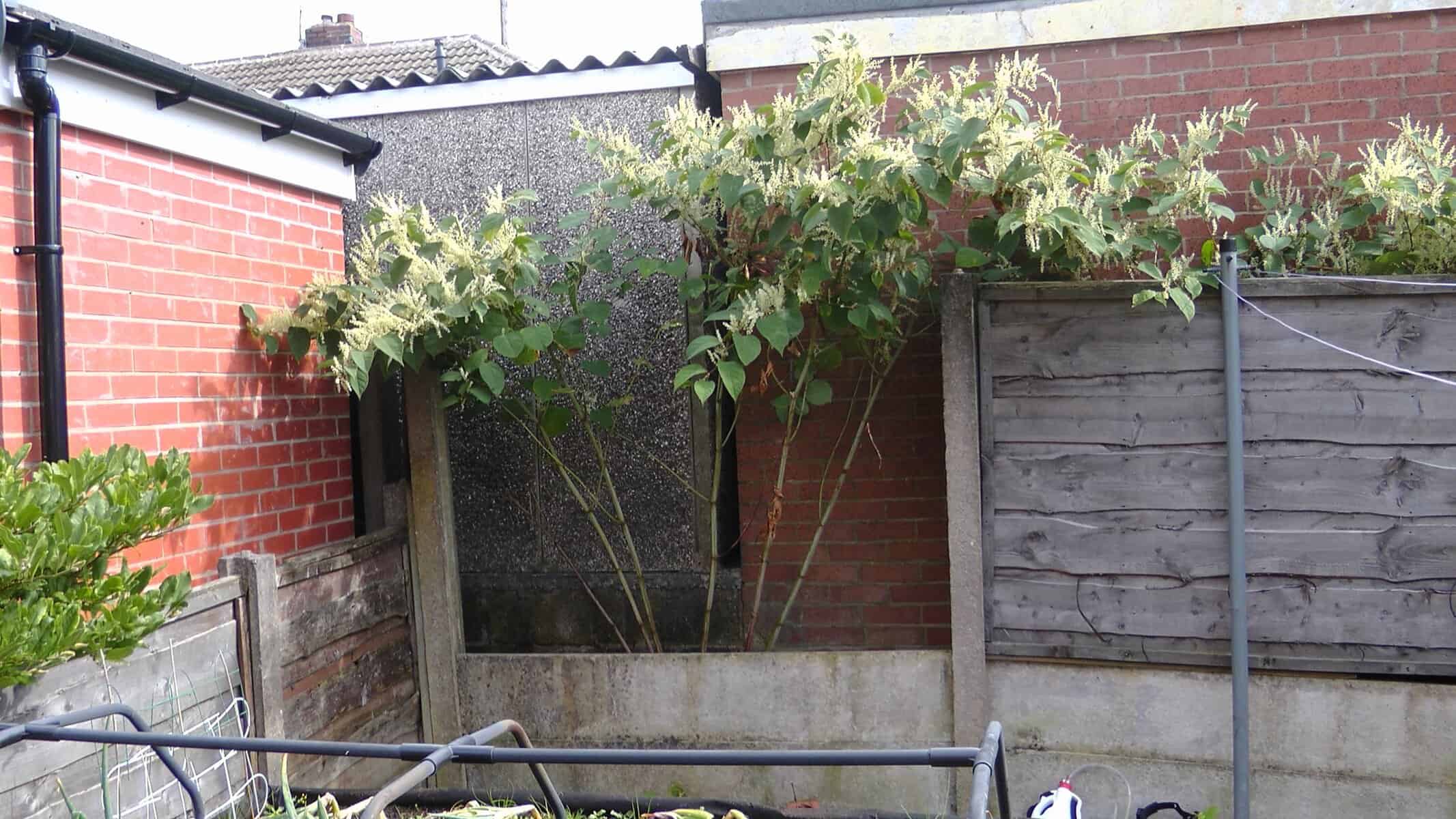

How Long Can Japanese Knotweed Stay Dormant?
Japanese Knotweed is one of the most persistent invasive plants in the UK.
It can disappear for years, then suddenly return.
Therefore, understanding dormancy is essential for effective Japanese knotweed treatment and long-term control.
A professional survey can also identify hidden risks before they escalate.
What Does Japanese Knotweed Dormancy Mean?
Dormancy occurs when visible growth stops, usually during colder months.
However, the plant does not die. Instead, it stores energy underground within its rhizome system.
During dormancy:
- Above-ground stems die back in autumn and winter
- Underground rhizomes remain alive and active
- Energy reserves are built for future regrowth
As a result, the plant can remain hidden while still posing a serious risk.
How Long Can Japanese Knotweed Stay Dormant?
Japanese Knotweed can stay dormant for many years.
Research suggests rhizomes may survive underground for up to 20 years in ideal conditions.
However, most cases fall within these ranges:
- 1 to 3 years – common after disturbance or early treatment
- 5 to 10 years – typical in established infestations
- 10+ years – possible when rhizomes remain undisturbed
Therefore, even if the plant disappears, it may still be present below ground.
Why Dormant Knotweed Causes Problems
Dormant knotweed often leads to false confidence.
Many property owners believe the issue has gone, only for regrowth to appear later.
In addition, lenders and surveyors consider dormant rhizomes a risk.
This is why proper management plans and monitoring remain essential.
Factors That Affect Dormancy
Several factors influence how long knotweed stays dormant.
1. Soil Disturbance
Disturbing contaminated soil can trigger rapid regrowth.
2. Weather Conditions
Warm temperatures and moisture encourage new shoots.
3. Rhizome Depth
Deeper rhizomes can remain dormant for longer periods.
4. Previous Treatment
Over-treatment or cutting can push the plant into dormancy.
As a result, poor treatment often delays control rather than solving the problem.
The Importance of Early Detection
Early detection remains the most effective way to reduce long-term costs.
Dormant rhizomes often cause unexpected regrowth years later.
A professional survey helps you:
- Identify hidden or dormant infestations
- Assess the true extent of the problem
- Plan an effective treatment strategy
Therefore, acting early protects both your property and its value.
How to Treat Dormant Japanese Knotweed
Successful treatment requires patience and correct timing.
Encourage Strong Growth
Allow plants to grow freely before treatment.
Strong leaves absorb more herbicide, improving results.
Apply Herbicide at the Right Time
Glyphosate works best when plants have large, healthy leaves.
Avoid Cutting or Disturbance
Cutting can trigger dormancy and slow progress.
Monitor Over Multiple Seasons
Regular inspections confirm long-term control.
In most cases, a structured multi-year plan delivers the best outcome.
Why Professional Treatment Works Best
DIY methods rarely succeed with dormant knotweed.
The rhizome system is complex and often spreads beyond visible areas.
Professional treatment offers:
- Accurate identification and mapping
- Targeted herbicide application
- Long-term monitoring plans
- Documentation for mortgage lenders
Therefore, expert involvement reduces risk and improves results.
Benefits of a Free Japanese Knotweed Survey
A professional survey provides clarity and reassurance.
Key benefits include:
- Early detection of dormant rhizomes
- Accurate risk assessment
- Tailored treatment recommendations
- Peace of mind for buyers and sellers
In addition, surveys support mortgage and conveyancing requirements.
Protect Your Property from Dormant Knotweed
Japanese Knotweed can remain hidden for years, then return quickly.
However, with the right approach, it can be controlled effectively.
Early detection, correct treatment timing, and ongoing monitoring are essential.
If you suspect knotweed on your property, act now.
Arrange a professional survey and take control before the problem spreads further.


0 Comments